Tang Soo Do carries a quiet strength.
It does not always appear in headlines or major competitions, yet it has shaped generations of practitioners through discipline, structure, and respect. Often referred to as “Korean Karate,” Tang Soo Do represents a bridge between cultures, traditions, and eras.
The Origin: Korea’s Martial Identity
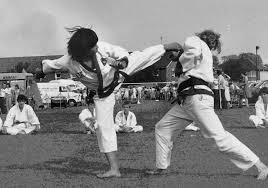
Tang Soo Do emerged in Korea during the early 20th century, in a time of cultural transition.
Its name translates roughly as “The Way of the China Hand,” reflecting its historical influences. Korean martial arts at the time absorbed techniques and philosophies from:
- Okinawan Karate
- Chinese martial systems
- Indigenous Korean practices
One of the most influential figures in its development was Hwang Kee, founder of the Moo Duk Kwan school in 1945. His work preserved traditional martial values while shaping a structured system of training that emphasized both technique and character.
Tang Soo Do was never just about fighting.
It was about building individuals.
Arrival in the United States
As Korean masters began teaching abroad, Tang Soo Do found fertile ground in the United States, especially from the 1950s onward.
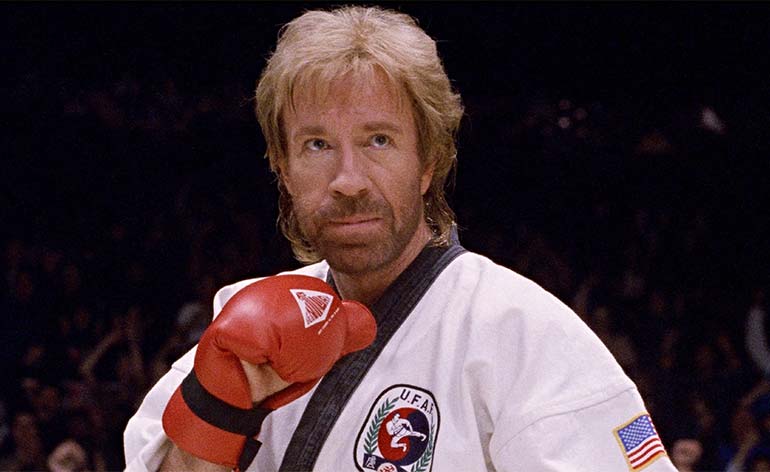
In many dojangs (training halls), Tang Soo Do maintained a strong traditional identity:
American practitioners were drawn to its clarity, discipline, and structured progression. It became one of the earliest Korean martial arts widely practiced in the U.S., even before Taekwondo gained global recognition.
- Formal etiquette
- Respect for lineage
- Emphasis on character development
At the same time, it adapted to Western students, creating a balance between tradition and accessibility.
The Practice: Structure and Precision
Training in Tang Soo Do is methodical.
It includes:
- Forms (hyung), similar to kata in Karate
- Basic techniques (kihon)
- Sparring (kyorugi)
- Self-defense applications
Movements are direct, precise, and controlled. There is a strong emphasis on stance, balance, and correct execution.
Unlike purely sport-oriented systems, Tang Soo Do preserves a traditional rhythm. Progression takes time. Repetition is intentional. Mastery is built, not rushed.
Physical Development with Purpose
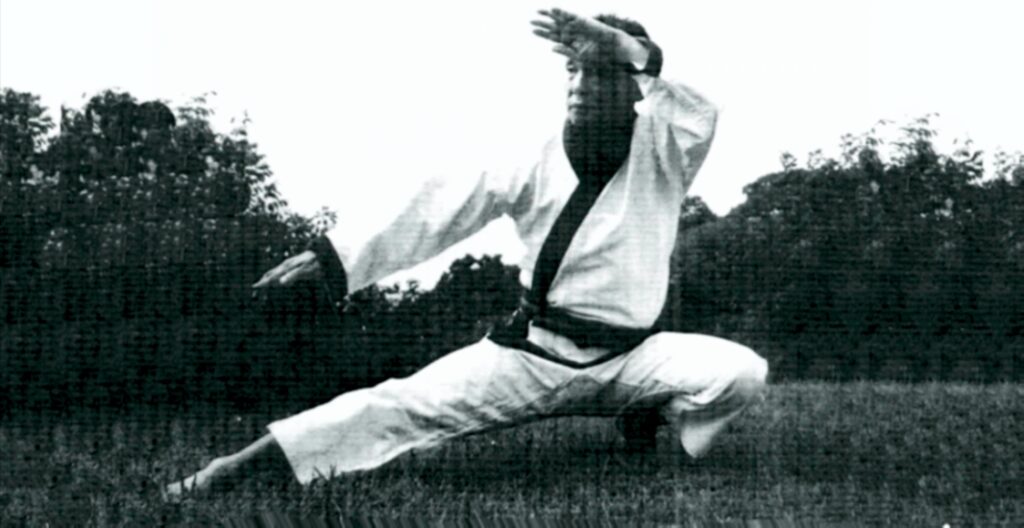
Tang Soo Do provides a complete physical workout, but not in the conventional sense.
It develops:
- Flexibility and mobility
- Lower body strength through stances and kicks
- Coordination and body control
- Posture and breathing
In a sedentary modern lifestyle, this kind of structured movement is essential. It keeps the body functional, responsive, and balanced.
For those who struggle with motivation in typical exercise environments, Tang Soo Do offers guidance. You are not just working out. You are following a path.
Each class has direction. Each technique has meaning.
Reality in Today’s World
It is important to be clear.
We do not live in a time where individuals settle disputes through formal combat. The idea of dueling belongs to history.
Modern self-defense situations are unpredictable, fast, and often avoidable. Tang Soo Do, like many traditional systems, was not designed specifically for today’s street scenarios.
However, it remains deeply relevant.
It builds:
- Awareness
- Discipline
- Control under pressure
- Respect for others and oneself
These are not outdated qualities. They are increasingly rare.
Tradition That Endures
Tang Soo Do represents continuity.
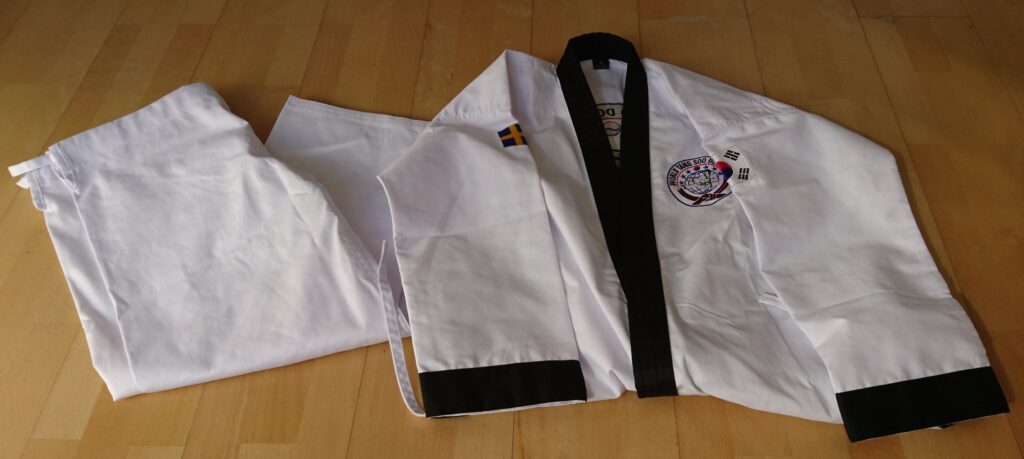
It connects past and present, East and West, tradition and modern life. In the United States, it became more than an imported martial art. It became a vehicle for personal development across cultures.
Its value is not measured by how many fights it wins.
It is measured by the people it shapes.
In a world that moves fast and often without direction, Tang Soo Do offers structure. It offers discipline. It offers a way to grow physically and mentally at the same time.
And sometimes, that is exactly what is needed.
Leave a Reply