
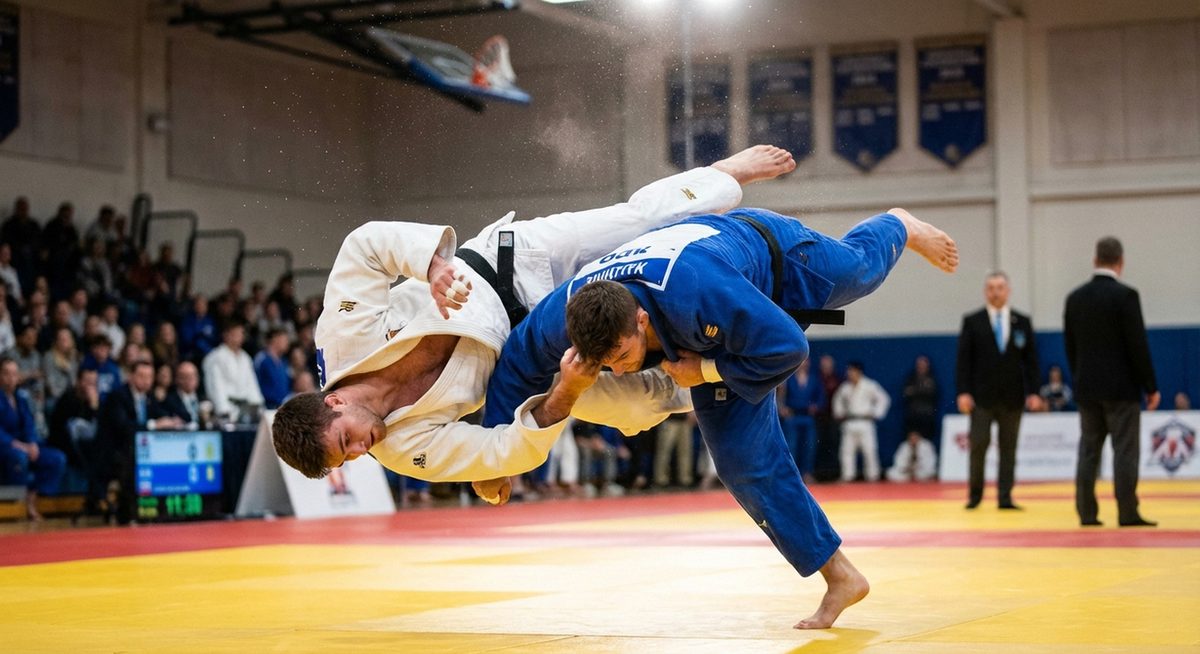
Judo is one of the most influential martial arts in the modern world.
Unlike many traditional systems, it was designed from the beginning not only as a method of self-defense, but as a complete system for physical education and personal development.
At its core, Judo is about efficiency.
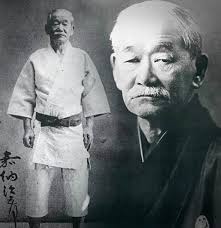
The Founder: Jigoro Kano
Judo was created by Jigoro Kano (1860–1938), an educator and visionary.
Kano studied various schools of jujutsu during a time when traditional martial arts in Japan were declining. Rather than preserving them as they were, he analyzed their strengths and weaknesses.
He removed techniques that were dangerous or impractical for structured training. He refined others. And most importantly, he introduced a clear educational philosophy.
In 1882, he founded the Kodokan Judo Institute in Tokyo.
Judo was not just a martial art. It was a system for developing better human beings.
The Principles: Maximum Efficiency, Mutual Benefit
Judo is built on two fundamental principles:
- Seiryoku Zenyo (Maximum Efficient Use of Energy)
- Jita Kyoei (Mutual Welfare and Benefit)
The first teaches that success comes not from brute strength, but from using timing, balance, and leverage effectively.
The second reminds practitioners that training is not about defeating others, but about growing together.
These ideas extend beyond the dojo.
They apply to work, relationships, and daily challenges.
The Practice: Controlled Intensity
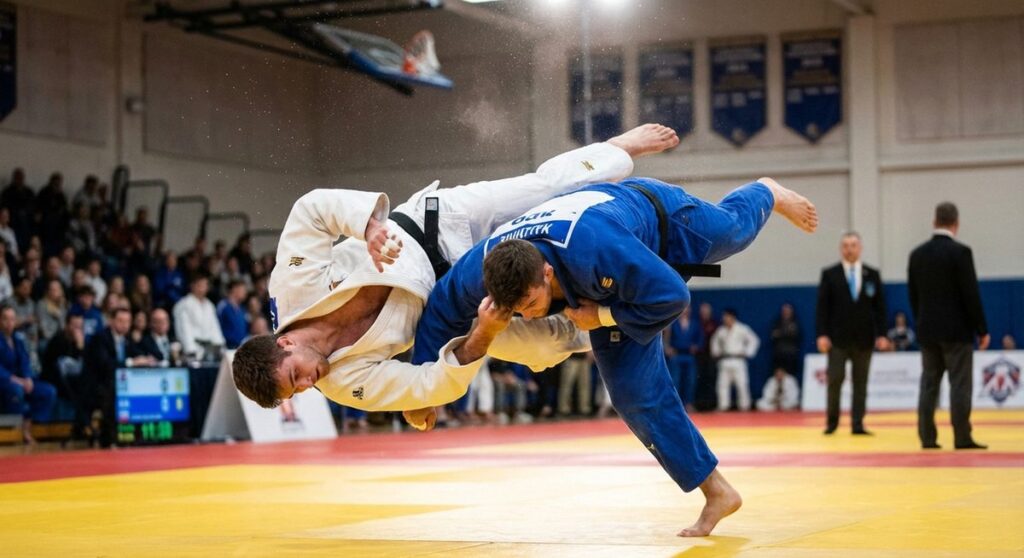
Judo is known for its throws, grappling, and ground control.
Training includes:
- Throws (nage-waza)
- Pins and submissions (katame-waza)
- Breakfalls (ukemi)
One of Judo’s defining features is randori, or free practice. It allows practitioners to apply techniques in a dynamic but controlled environment.
This creates something unique.
You experience resistance, timing, and pressure in real conditions. But within a structured and safe framework.
Judo and Physical Development
Judo is highly effective for building a functional body.
It develops:
- Explosive strength
- Balance and coordination
- Endurance
- Reflexes and adaptability
Unlike repetitive gym routines, Judo training is interactive. Every session is different. Every partner brings a new challenge.
For people who find traditional exercise monotonous, Judo offers a clear alternative. You train with purpose. You improve while solving problems in motion.
Reality Check: Judo in Modern Context
Judo is a combat sport, but it is also a regulated one.
In the street, situations are unpredictable. Rules do not exist. Multiple variables come into play.
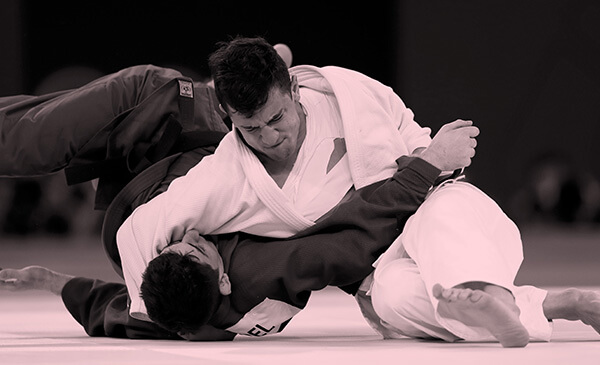
Judo alone is not a complete self-defense system for modern threats.
However, it provides essential foundations:
- Control of distance
- Balance disruption
- Ability to handle physical contact
- Confidence under pressure
These skills translate into real-world capability, even if the context changes.
More Than a Sport
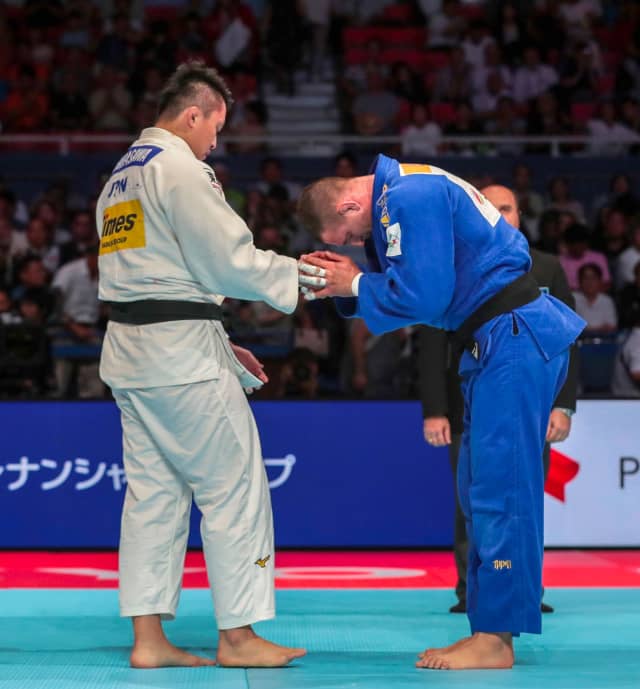
Judo is often seen through the lens of competition and the Olympic Games.
But its deeper purpose remains unchanged.
It is a method for developing discipline, resilience, and respect.
In a time where many live sedentary lives and lack structured physical activity, Judo becomes more than exercise. It becomes a path.
A way to move, to learn, and to grow.
Leave a Reply