
Taekwondo is one of the most recognized martial arts in the world.
Its dynamic kicks, speed, and athleticism have made it a global discipline practiced by millions. Yet behind the sport and competition, there is a deeper foundation built on discipline, structure, and personal development.
The Origin: From Tradition to Modern System
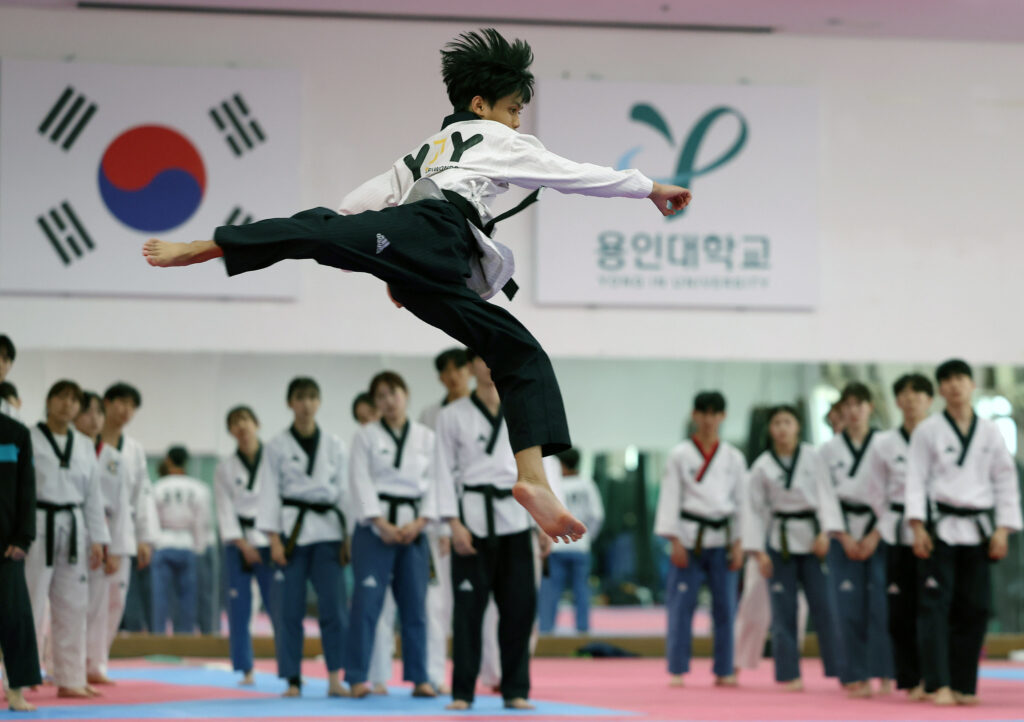
Taekwondo was formally developed in Korea in the mid-20th century, following the country’s liberation after World War II.
Its roots come from multiple sources:
- Traditional Korean martial practices
- Okinawan Karate
- Chinese influences
One of the key figures in its development was General Choi Hong Hi, who helped systematize techniques and promote Taekwondo internationally.
Over time, different organizations shaped its evolution, leading to variations in style and focus. Some emphasize competition and Olympic sport. Others maintain a more traditional approach centered on discipline and self-development.
The Meaning Behind the Name
Taekwondo is often translated as:
- Tae: Foot
- Kwon: Fist
- Do: Way or path
It is not just about techniques.
It is a way of training the body and the mind together.
The Practice: Precision and Movement
Taekwondo is known for its emphasis on kicking techniques.
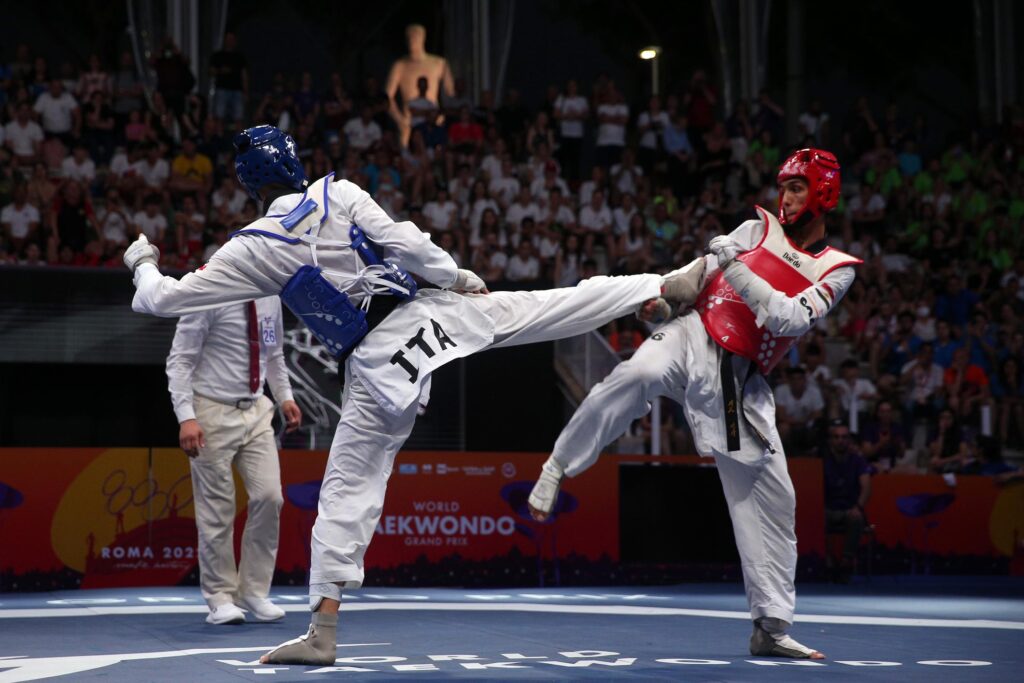
Training includes:
- Forms (poomsae)
- Sparring
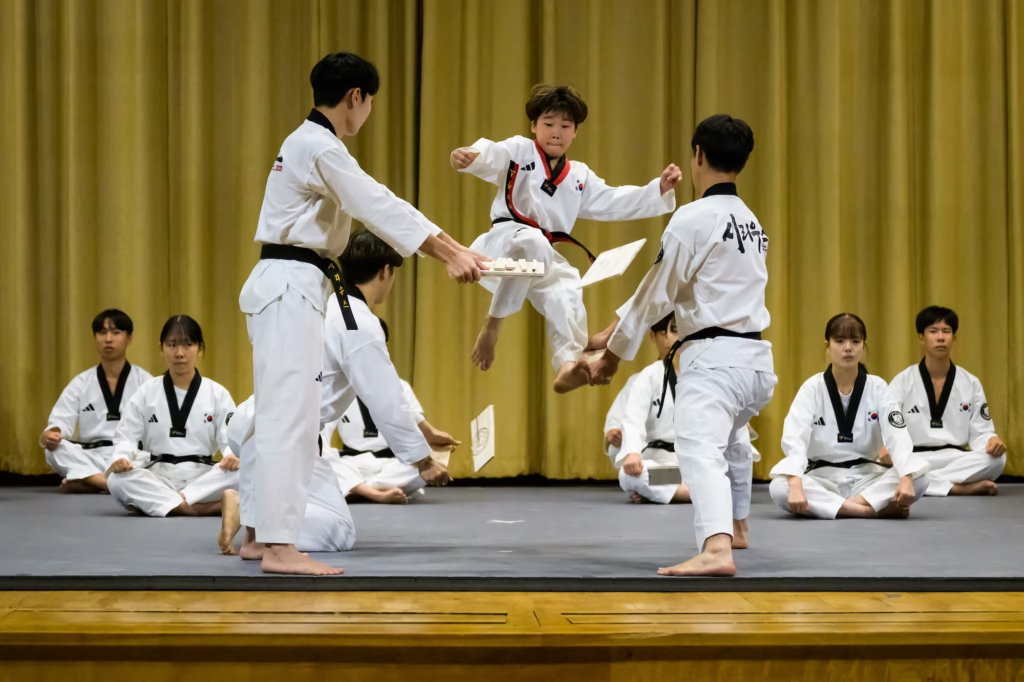
- Breaking techniques
- Basic drills and conditioning
Movements are fast, controlled, and explosive. Flexibility and timing are essential.
This creates a strong physical foundation:
- Cardiovascular endurance
- Lower body strength
- Coordination and agility
For many practitioners, it becomes a structured alternative to conventional exercise. Instead of repetitive routines, there is progression, purpose, and measurable growth.
Reality Check: Sport vs. Self-Defense
Modern Taekwondo, especially in its Olympic form, is highly specialized.
It is optimized for competition rules:
- Distance management
- Speed scoring
- Controlled contact
This does not fully reflect real-world self-defense situations.
However, Taekwondo still provides valuable tools:
- Reaction speed
- Balance and mobility
- Confidence under pressure
It is not a complete answer to every scenario, but it builds a capable and prepared individual.
Why It Still Matters
We live in a sedentary world.
Many people struggle to maintain physical health and discipline. Taekwondo offers a structured path where exercise is not just effort, but progression.
For those who need guidance rather than motivation alone, it provides:
- Clear goals
- A system of advancement
- A community of practice
In the end, Taekwondo is not just about kicking higher or faster.
It is about becoming more disciplined, more capable, and more aware of oneself.
Leave a Reply