Aikido is often misunderstood.
In a world where martial arts are associated with fighting, competition, and dominance, Aikido stands apart. It does not aim to defeat an opponent in the conventional sense. Instead, it seeks something far more subtle. Control without destruction. Resolution without escalation.
Aikido is the art of harmony.
The Origin: Morihei Ueshiba
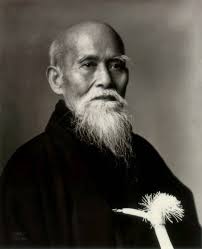
Aikido was founded by Morihei Ueshiba (1883–1969), known by practitioners as O-Sensei, or “Great Teacher.”
Ueshiba was not always the peaceful figure often portrayed today. In his early years, he trained intensely in various martial systems, including Daito-ryu Aiki-jujutsu, swordsmanship, and spear techniques. He was known for his strength, discipline, and formidable presence.
But something changed.
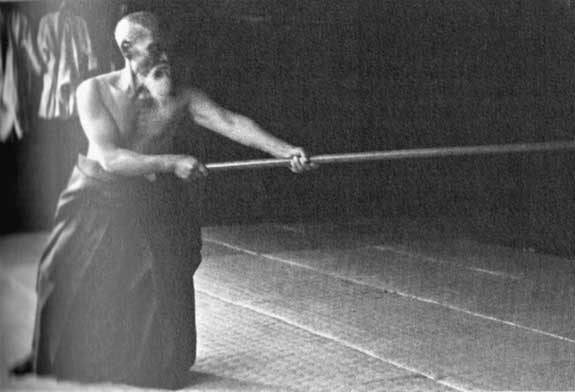
Through years of practice, personal hardship, and deep spiritual exploration influenced by Omoto-kyo philosophy, Ueshiba began to reshape his understanding of martial arts. He came to believe that true mastery was not about defeating others, but about overcoming conflict itself.
His vision transformed technique into philosophy.
Aikido was born from that transformation.
The Philosophy: Not Fighting, but Resolving
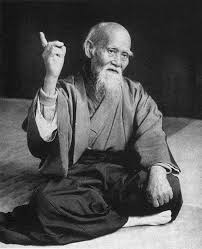
Aikido teaches that conflict should not be met with force against force.
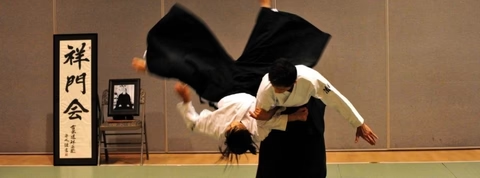
Instead of blocking or striking directly, practitioners blend with the attack. They redirect energy, control balance, and guide the opponent into a position where aggression naturally dissolves.
This is not passive.
It requires timing, awareness, and precise movement. The practitioner must remain calm under pressure, grounded in body and mind.
In modern society, this principle is more relevant than ever. We are no longer warriors in battlefields, but we constantly face tension, stress, and confrontation in different forms. Aikido offers a framework to deal with these moments without losing control.
The Physical Practice
Despite its philosophical depth, Aikido is a physically demanding discipline.
Training develops:
- Balance and coordination
- Flexibility and mobility
- Core strength and posture
- Awareness of space and movement
Movements are circular, flowing, and continuous. Falls and rolls (ukemi) are essential, teaching the body how to absorb impact safely. Over time, practitioners move more efficiently, with less tension and more control.
For those who struggle with traditional exercise routines, Aikido provides a different path. It is structured, purposeful, and guided. Progress is not measured only in strength, but in control and understanding.
Aikido in Today’s World
It is important to be honest.
Aikido is not designed for street fighting in the modern sense. It does not train for chaotic, unpredictable violence with multiple attackers or weapons in real-world conditions.
However, that does not make it irrelevant.
Its value lies in:
- Developing awareness
- Improving reaction under pressure
- Building discipline and calmness
- Enhancing physical capability
Aikido teaches you how to remain centered when others lose control.
That alone is a powerful skill.
A Path, Not Just a Technique
Aikido is not about learning how to win fights.
It is about learning how to move through conflict without becoming part of it.
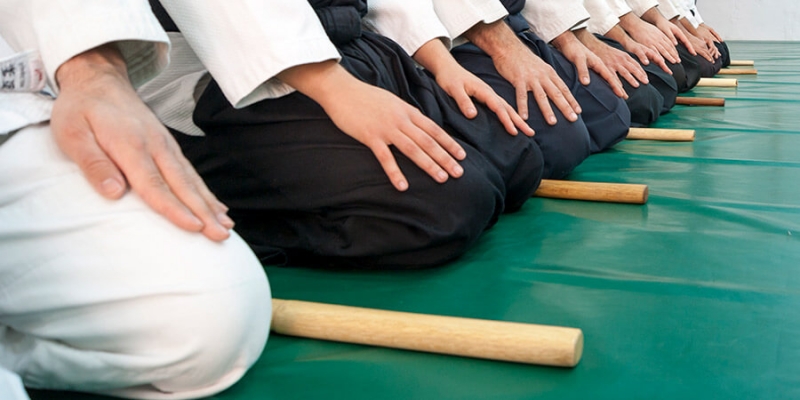
In a sedentary world, where many struggle to stay active and focused, it offers something rare. Movement with meaning. Discipline with purpose. Growth that is both physical and internal.
It is not the easiest path.
But it is a meaningful one.
Leave a Reply